
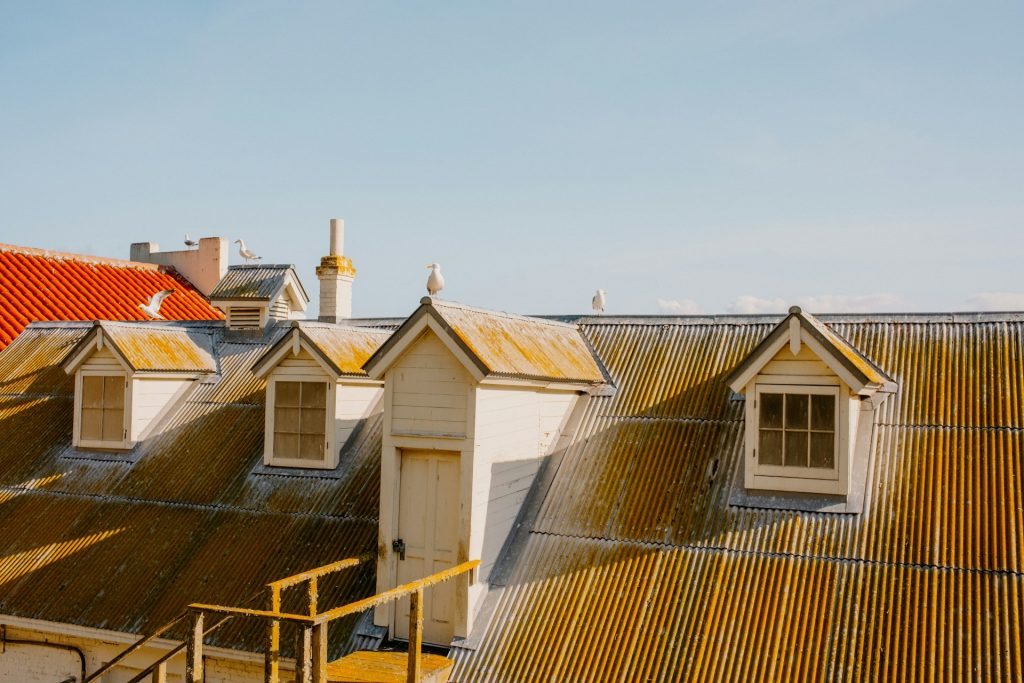
Discovering mold on your roof can be unsettling, and for good reason. Mold isn’t just an eyesore; it can lead to serious problems for your home. The presence of mold indicates moisture issues, which can compromise the structural integrity of your roof and potentially extend to other areas of your home. If left untreated, mold can cause long-term damage and costly repairs, making it essential to act swiftly when it’s detected.
Addressing mold promptly is crucial because it can spread quickly, affecting the health of your household and leading to unpleasant odors and deterioration of building materials. By tackling the problem early, you not only protect your home but also ensure a healthier living environment for your family. Knowing how to identify mold and taking immediate steps can make a huge difference in preventing further damage.
Identifying Mold on Your Roof
Recognizing mold on your roof isn’t always straightforward, as it can sometimes be mistaken for other types of discoloration. However, there are specific signs that can help you identify mold accurately:
– Stains and Patchiness: Look for discolored patches on shingles or roofing materials. Mold often appears as black, green, or brown spots that may vary in size and distribution.
– Musty Odors: If you notice a persistent musty smell, especially after a rainfall, it might indicate mold.
– Damp Attic: Check your attic for any signs of leaks or moisture build-up, which can contribute to mold growth on the roof.
Proper inspection is key to identifying mold. Safety should be your top priority, so consider using a stable ladder and wearing appropriate gear, such as gloves and a mask, to protect yourself. Keep in mind that mold thrives in moisture-rich environments, making it essential to inspect areas that are prone to leaks or have poor ventilation.
If you’re not completely sure whether it’s mold or another type of discoloration, it’s best to consult a roofing professional. They can provide an accurate assessment and help you decide on the next steps. Remember, early detection and action can prevent minor issues from escalating into significant problems.
Immediate Steps to Take
Once you spot mold on your roof, taking immediate action is necessary to avoid serious damage. Begin by protecting yourself and your family from potential exposure. Mold spores can cause health issues, so wearing a mask and gloves during any inspection or temporary fix is wise.
You’ll want to contain and mitigate the mold growth as a stopgap measure:
1. Limit Access: Avoid needless trips to the affected area to reduce the spread of mold spores.
2. Temporary Seal: If possible, use a plastic sheet to temporarily seal off the moldy area. This helps contain the mold until you can secure professional help.
3. Ventilation: Make sure to ventilate the area well, if it’s safe, to reduce moisture build-up.
In cases where mold has already spread significantly, it’s time to call in the pros. Seeking emergency roofing services can prevent further structural damage and safeguard your home’s longevity.
Professional Mold Removal and Roof Repair
Turning to experts for mold removal is the most reliable way to ensure the issue is thoroughly addressed. Professionals have the experience and tools needed to eradicate mold from hard-to-reach corners and ensure it doesn’t return. They assess the extent of the damage and recommend appropriate treatment options.
Professional services:
– Use specialized equipment to locate and remove mold completely.
– Provide cleaning and treatment to prevent mold from regrowing.
– Offer repair solutions if there’s structural damage to the roof or attic from mold.
If mold has caused significant wear to your roof, some parts might need repair or even replacement. Professionals can advise on the best materials and solutions to reinforce your roof and prevent similar issues in the future.
Preventative Measures to Avoid Future Mold Growth
With the immediate threat handled, it’s wise to focus on preventing mold from returning. Regular maintenance plays a massive role in keeping your roof mold-free.
– Routine Inspections: Schedule regular inspections to catch early signs of mold or moisture.
– Improved Ventilation: Make sure your attic is well-ventilated, which helps minimize moisture accumulation—a prime condition for mold.
– Mold-Resistant Materials: Consider upgrading to mold-resistant shingles or roofing materials, which provide a longer-lasting barrier against pesky mold growth.
Remember, a little attention today can lead to big savings down the road. Regular upkeep not only protects your roof but also adds to the peace of mind knowing your home is safe and sound.
Mold issues on your roof aren’t just inconvenient—they can lead to hefty damage if ignored. When you’re dealing with such problems, it’s important to act fast. Learn how REXX Roofing’s emergency services for roofing can help keep your home safe and sound. Whether you’re in the midst of a mold crisis or just want to prevent future issues, trust our team to provide quality solutions tailored to your needs.