
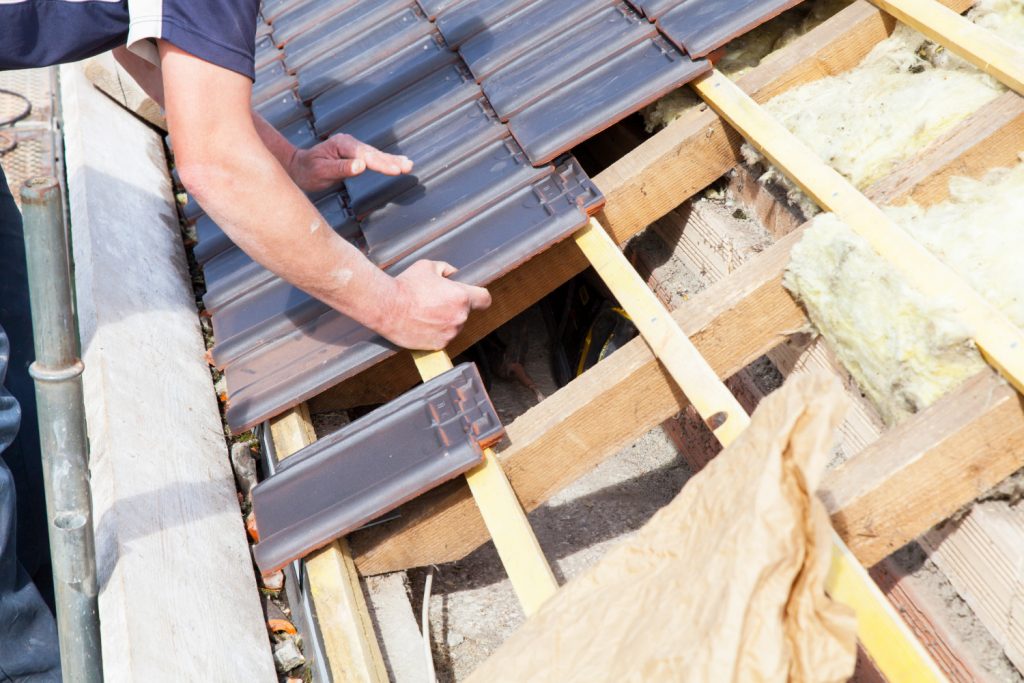
Preparing to replace your roof isn’t just about picking out new shingles. It’s a significant project that requires careful planning and thoughtful decisions. Ensuring everything is in place beforehand can make the experience far less overwhelming and surprisingly efficient. Jumping into the process without a clear plan could lead to unexpected costs and delays, turning what should be a straightforward task into a complicated ordeal.
Taking deliberate steps before the replacement begins can save both time and resources. By evaluating your needs and knowing what to expect, you ensure a smoother and more cost-effective journey. A bit of preparation helps you make informed choices that complement both your home’s style and the local climate conditions. Let’s walk through some practical steps to set the stage for a successful roof replacement project.
Assess the Condition of Your Current Roof
Before diving into any replacement plans, it’s critical to take a moment to assess the current situation. Start with a simple inspection of your roof’s exterior. Look for visible signs of wear, such as missing or cracked shingles, rust on flashing, or any areas that appear uneven or sagging. Examine the attic as well, keeping an eye out for signs of moisture, such as water stains or mold, that might indicate leaks.
Consider creating a checklist to ensure you don’t overlook any essentials:
– Examine the exterior for cracked or missing shingles.
– Look for any granules from asphalt shingles accumulated in gutters.
– Inspect flashing around chimneys and vents for rust or deterioration.
– Check the attic for water stains, mold, or light peeking through.
Addressing these signs early can help determine the scope of work needed and whether a total replacement or some preliminary repairs are necessary. Having a clear understanding of the roof’s condition allows you to prepare better for what’s ahead, setting the foundation for a firing-on-all-cylinders replacement process.
Evaluate Your Roofing Options
Once you’ve assessed the current state of your roof, it’s time to consider what you’d like the new one to be like. Start by researching the different types of roofing materials available that fit the Wisconsin, Illinois and Connecticut climate. Common options include asphalt shingles, metal, and tile, each offering different benefits. For example, asphalt shingles are popular for their affordability and ease of installation, while metal roofs are praised for their longevity and energy efficiency.
When choosing, think about:
– Durability: How long will the material last?
– Cost: What’s the price range and does it fit your budget?
– Aesthetics: How will this material complement the look of your home?
Considering these elements will guide you in selecting the best material for your roof. It’s not just about looks; the right choice can enhance the quality of your home and even your standard of living. A neighbor shared how their new metal roof not only saved them on cooling costs during the hot summers but also added an elegant touch to the house’s overall look.
Budgeting and Financing
Budget planning is a crucial step that shouldn’t be overlooked. You should explore the costs involved, covering both materials and labor. This clarity helps in avoiding financial stress during the project. Make sure to include potential extra costs like permits or unexpected repairs.
Here are some financing routes you can look into:
1. Home Improvement Loans: Banks can provide these based on the equity of your property.
2. Personal Savings: Assess current savings that can be directed towards this project.
3. Payment Plans: Some contractors might offer the option to pay in installments, so inquire about this possibility.
Effectively managing the financial aspects ensures that you won’t have to cut corners. It places you in a solid position to move forward with your project.
Hiring a Professional Roofing Contractor
Now that you’ve decided on the materials and budget, whether to hire a professional contractor is the next choice. Picking the right contractor can make all the difference in the world. It’s about crafting trust and finding someone who knows exactly how to turn your vision into reality. Dig into their previous work to gauge their experience.
When choosing a contractor:
– Confirm they’re licensed and insured.
– Read reviews or ask for personal recommendations.
– Make sure they understand the local climate needs.
These steps will defend you against possible hurdles, ensuring the work is in capable hands. Local experts understand the environmental challenges unique to Wisconsin, Illinois and Connecticut like heavy snow or strong winds, and this knowledge could be beneficial.
Scheduling and Preparing for the Replacement
With all this prep work done, it’s finally time to schedule the replacement. Choose a time that works around your schedule and considers the unpredictable Wisconsin, Illinois and Connecticut weather. You might want to avoid the peak of winter or the rainy season, aiming instead for milder months.
Before the project kicks off, ensure your home is ready:
– Store away any patio furniture.
– Cover plants or sensitive garden items.
– Coordinate with your contractor on access points and any other specific requests.
These efforts protect your property and streamline the contractor’s workflow.
Replacing your roof is a significant task but breaking it down into manageable steps makes it much more approachable. With thoughtful planning and the right partners, you’ll not only gain a new roof but also peace of mind knowing it’s a job well done.
To make your roof replacement project hassle-free and get it done right, consider teaming up with REXX Roofing. Explore some of our recent projects that showcase successful replacement of the roof experiences at homes like yours. Discover how we can help you achieve the same results by bringing expertise, craftsmanship, and care to your home.