
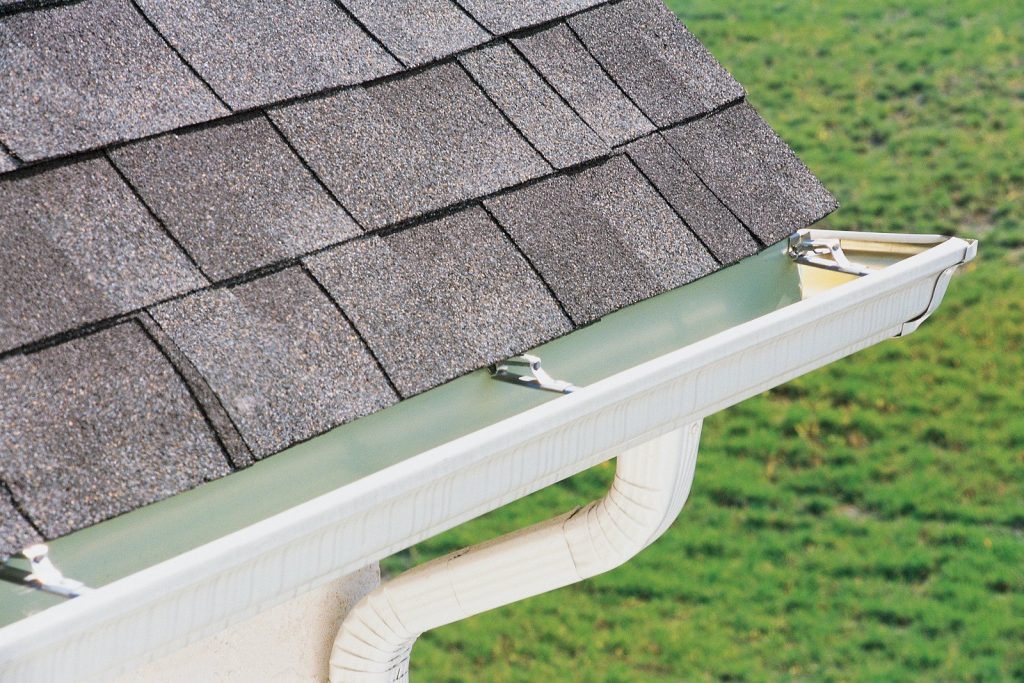
As spring approaches in Wisconsin, Illinois and Connecticut the shift from snow and ice to rainstorms brings new challenges for homeowners. One of the most important tasks during this season is preparing your gutters to handle the increased rainfall. Gutters protect your home by directing water away from the roof and foundation, preventing potential damage. By taking steps to ensure your gutters are ready, you can avoid costly repairs and keep your home safe and dry.
Spring cleaning isn’t just for your home’s interior. It’s vital to check your gutters for any debris or damage accumulated during winter. Proper gutter maintenance keeps them functioning efficiently and extends their lifespan. Here, you’ll find essential steps to get your gutters ready for the rainy season, from cleaning out debris to inspecting for wear and tear.
Cleaning Out Debris
Debris can quickly accumulate in your gutters, leading to clogs that prevent water from flowing freely. This can cause water to back up and overflow, potentially damaging your roof and foundation. To prevent these issues, start by removing any leaves, twigs, and other debris.
Here are some steps for safely cleaning your gutters:
- Gather Your Tools: Equip yourself with gloves, a sturdy ladder, a trowel to scoop debris, and a bucket to collect it. A garden hose can also help flush out smaller particles.
- Position the Ladder Safely: Ensure your ladder is stable and positioned on a flat surface. It’s helpful to have a friend hold the ladder steady while you work.
- Wear Protective Gear: Protect your hands with gloves to avoid sharp objects, and consider wearing goggles to keep dirt out of your eyes.
- Remove Debris by Hand: Use the trowel or your hands to clear out leaves and twigs. Be thorough to ensure nothing remains that could block water flow.
- Check the Downspouts: After clearing the gutters, flush the system with your hose to ensure downspouts are free of obstructions.
Cleaning your gutters can be a straightforward process, but safety is crucial. Always take precautions when working at heights, and don’t hesitate to call a professional if you’re uncomfortable doing it yourself. Regularly clearing debris ensures your gutters remain in good condition, ready for the spring showers ahead.
Inspecting for Damage
Once the gutters are free from debris, it’s time to inspect them for signs of damage. Look for cracks, holes, or sections that are sagging. These issues can lead to leaks or structural problems if rainwater is not properly directed away from your home. Make sure you also examine the hangers and ensure they are firmly attached to the fascia. Over time, these can become loose and cause your gutters to droop.
Here’s a quick checklist for inspecting gutter damage:
- Check for visible cracks or splits, especially at joints.
- Look for any rust spots or corrosion, which can weaken the gutters.
- Ensure the gutters are securely fastened with no loose hangers.
- Inspect the seams and corners for leaks or separation.
- Test the downspouts for obstruction or detachment.
Regular inspections can help catch these problems early, preventing them from escalating into more serious issues. If you notice any significant damage that you can’t fix, it might be time to bring in a professional.
Ensuring Proper Water Flow
Proper water flow in your gutters is critical to prevent overflow and water damage. Once you’ve confirmed that your gutters are in good shape, check that water can travel unimpeded through them. Ensure downspouts are clear and firmly attached to guide water safely away.
Here’s how to test and adjust your gutter system:
- Run Water Through the System: Use a hose to run water from the far end of the gutter and observe the flow. This can help you spot any slow-draining sections.
- Adjust the Slope: Gutters should slope toward the downspouts by about a quarter inch for every 10 feet. If water pools in the gutters, adjust them to achieve this gradient.
- Check Downspouts: Ensure water exits at least five feet away from your home’s foundation. Extensions or splash blocks can help achieve this distance.
- Secure Loose Ends: If downspouts are loose or detached, secure them with new brackets or clamps.
Maintaining a smooth water flow not only improves gutter efficiency but also helps protect your home’s foundation from water damage. Consistent attention to these small details keeps everything working smoothly, especially during the wetter months.
Replacing Worn-Out Sections
When gutters show significant signs of damage or wear that simple repairs can’t fix, replacement might be necessary. Putting off replacement can lead to water damage that affects your home’s roof and foundation. If you’re noticing persistent issues after cleaning and adjustments, consider replacing troublesome sections.
Signs that indicate the need for gutter replacement:
- Persistent leaks despite attempting repairs.
- Noticeable sagging or pulling away from the house.
- Extensive rust or corrosion covering large sections.
- Visible holes or gaps that water readily pours through.
- Continuous overflowing during rain, despite clear gutters.
Choosing to replace damaged sections ensures your home remains safe from water damage. Continued gutter efficiency means a more secure structure for your household, shielding it from unpredictable spring storms that Wisconsin, Illinois and Connecticut often faces. Keep an eye on your gutter health, and don’t hesitate to act when replacements are necessary.
Preparing for Future Maintenance
Once your gutters are in top shape, prepare for future maintenance to ensure they stay that way. Regular upkeep means you’ll face fewer surprises and expensive repairs down the line. Scheduling periodic inspections helps in catching minor issues before they grow.
Here’s a plan to keep your gutters in excellent condition year-round:
- Schedule Regular Cleanings: Aim for cleaning at least twice a year, in spring and autumn.
- Set Maintenance Reminders: Use your calendar app to remind you of seasonal inspections and cleanings.
- Invest in Gutter Guards: These can reduce the amount of debris that enters your gutters, making maintenance easier.
- Monitor During the Rain: Watch gutters during a rainstorm to spot any ongoing issues with flow or leaks.
By preparing for routine checks and cleanups, you can keep your gutters functioning efficiently. This foresight will save you time, money, and stress, ensuring your home stays cozy and protected regardless of what spring throws your way.
Get ready for the rainy season by addressing any issues with your gutters. If you’re dealing with persistent problems that suggest it’s time for a change, consider a replacement of gutters to ensure your home remains protected. REXX Roofing can help you keep your home safe from water damage and prepared for whatever spring weather in Wisconsin, Illinois and Connecticut brings. Start safeguarding your home today with an expert assessment and the peace of mind that comes with reliable gutter solutions.